Our
solution
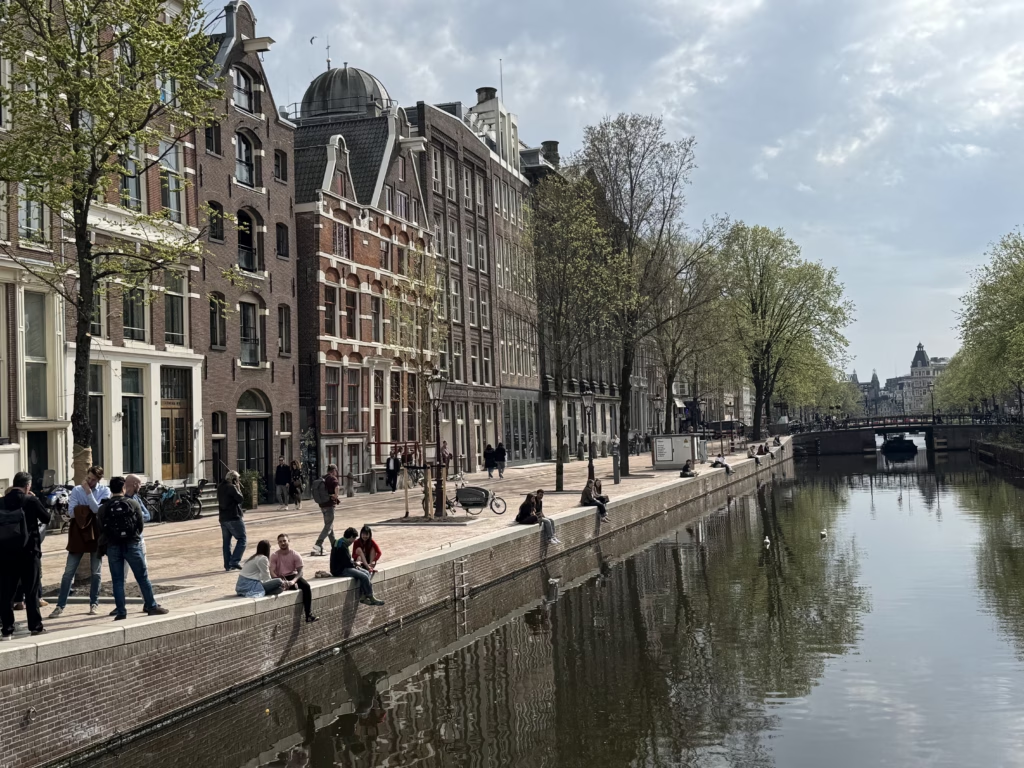
We want to help preserve historic heritage with minimal impact on the environment. We renew quickly, vibration-free and with an eye for the city. Our proven approach in Amsterdam is also applicable in other cities.

Minimal intervention, maximum amplification
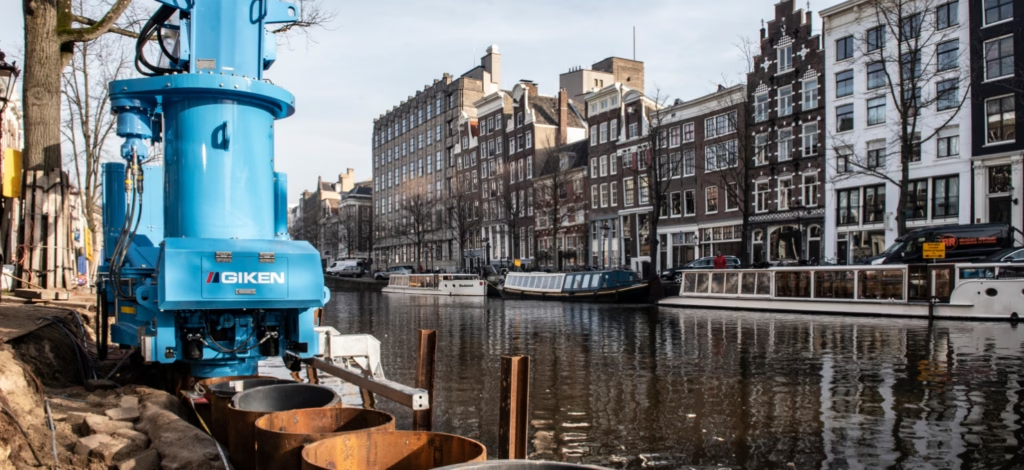
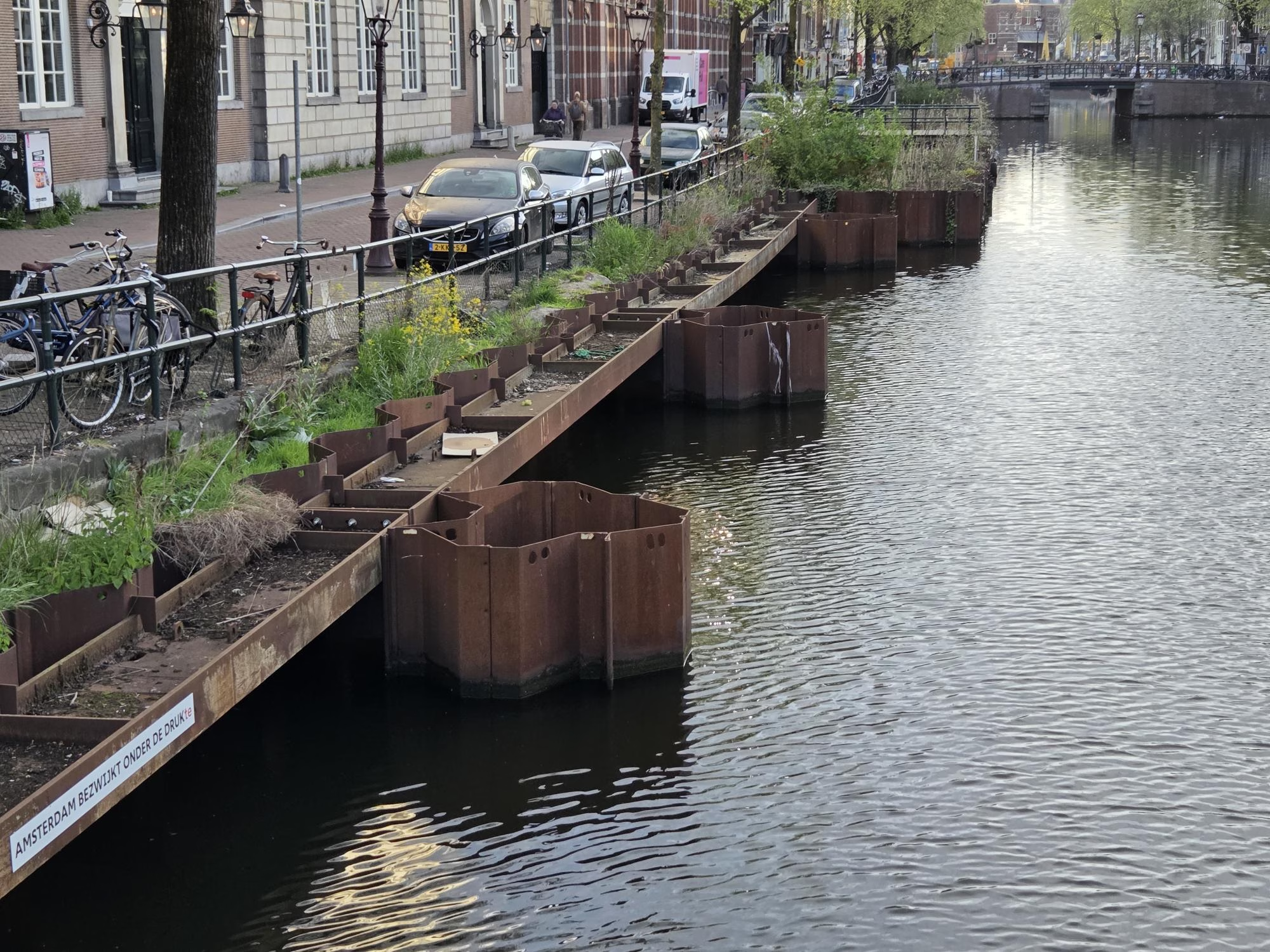
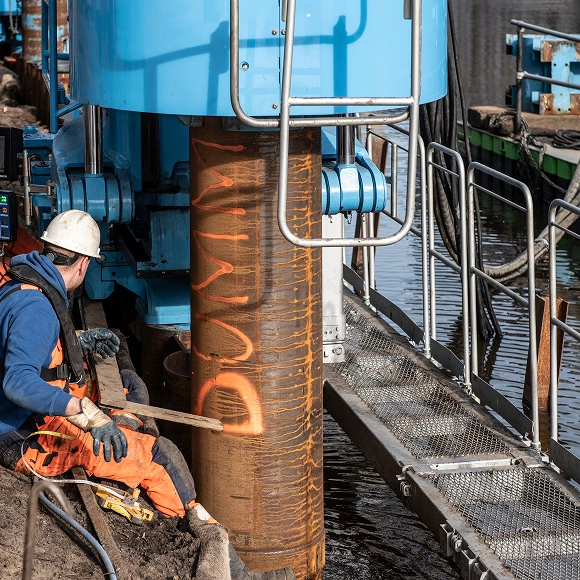
Our innovation is in preserving the existing quay structure. We first fill the hollow space under the quay wall and then drill steel tube piles (Ø 500 mm) to a depth of approximately 14 meters.
Between these large pipes (spaced 750 mm) we place smaller pipe piles (Ø 273 mm), which extend to 0.5 meters below the canal bottom. Some are equipped with filters to regulate the water levels to protect the wooden pile foundations.
Authentic look, modern core
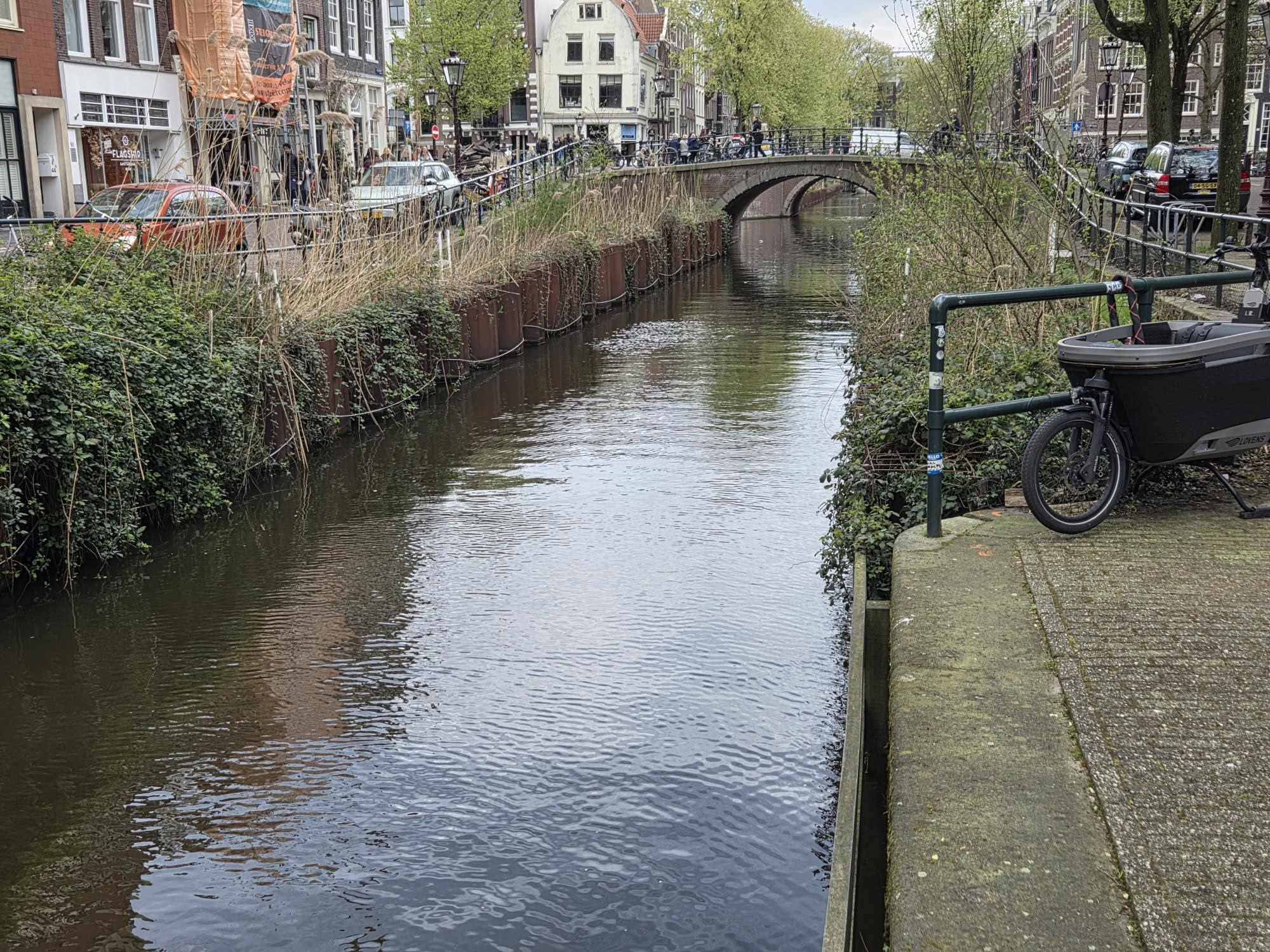
We then remove the front masonry of the quay wall and place concrete elements with cast-in-place masonry bricks on the pipe pile wall. We finish the joints on site, and the original bluestone cover stones return. Thus, the quay quickly regains its authentic appearance and withstands another 100 years of use.
For high quays, we use steep anchors behind the wall that stay within the building line. The new structure is usually narrower and fits completely within the existing quay wall.
10
benefits of our innovative
quay renewal
method

Our innovative method allows much faster quay renewal than traditional methods. For example, we renewed 204 meters on the Singel in just 8 months. That's about twice as fast as usual. Less construction time means less disruption for residents, lower costs for the city and a shorter burden on the environment.

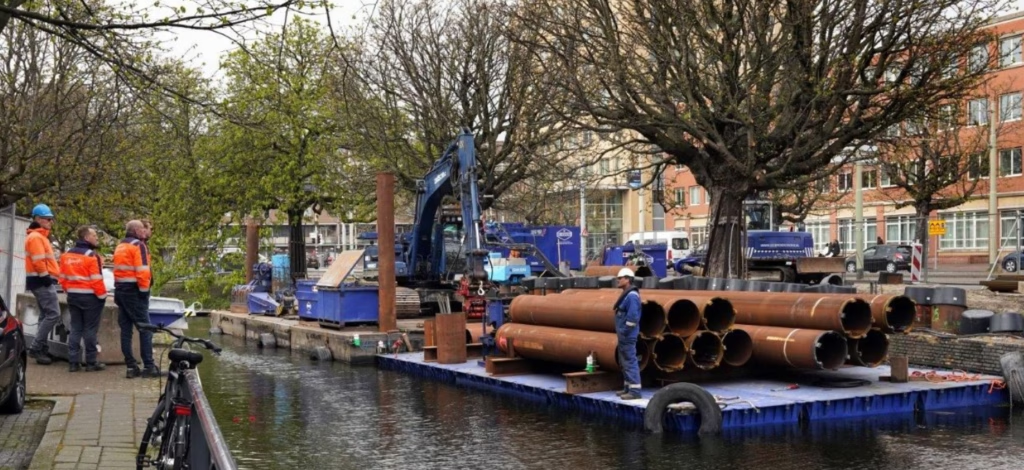
Because our equipment travels over the tubular piles and we do not have to make a construction pit, the road along the quay remains open to traffic as usual. We use only the parking lane as a work area. This way, adjacent properties remain accessible for supplies and emergency services, and surrounding streets are not additionally burdened by detours or closures.

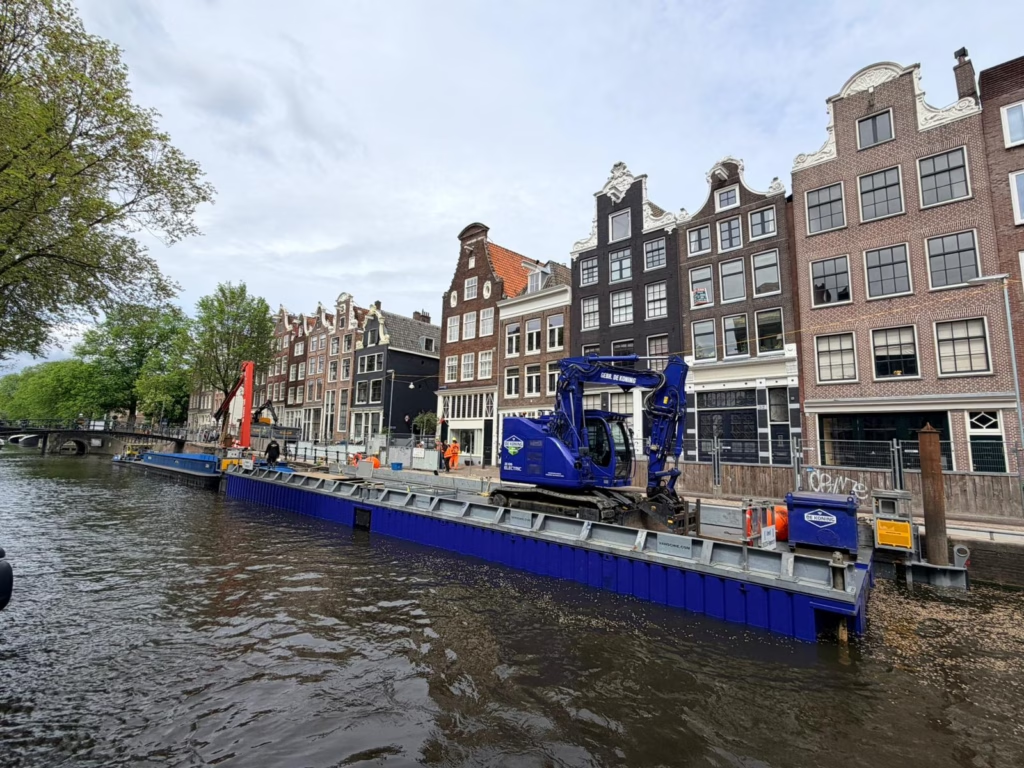
Little working space is also required on the water. Our method leaves navigation routes free, even in tight locations. On the Brouwersgracht we will soon be working with only 6 meters of space, while canal boats can continue to sail. This limits the impact on the daily use of the canals and prevents long-term disruptions to water traffic.

We work completely vibration-free, which prevents damage to nearby buildings. Especially in historic inner cities with many listed buildings, such as in UNESCO World Heritage Sites, this is a crucial requirement. Thus, we ensure safe execution in sensitive environments, without risk to foundations, bridges, walls and other sensitive structures immediately adjacent to the work site.

Our machines operate very quietly. Residents and business owners along previous projects said they were surprised by the quietness during the work. Less noise pollution means a more pleasant living environment, fewer complaints and more support for implementation. In busy inner-city areas, this is an important advantage over other methods.

If trees are at least 1.30 meters from the quay, we can preserve them. We then drill segmentally under the crown without damaging roots. In previous projects, such as the Singel, all trees were spared this way. In future projects, too, we take maximum account of tree preservation in this way.

The new quay structure will remain within the existing quay wall, leaving the space behind it available. Cables, pipes, roots, containers and other facilities do not have to be relocated. This makes our method particularly suitable for inner-city areas where the subsurface is already full of existing infrastructure and objects.

Little working space is also required on the water. Our method leaves navigation routes free, even in tight locations. On the Brouwersgracht we will soon be working with only 6 meters of space, while canal boats can continue to sail. This limits the impact on the daily use of the canals and prevents long-term disruptions to water traffic.

We work completely vibration-free, which prevents damage to nearby buildings. Especially in historic inner cities with many listed buildings, such as in UNESCO World Heritage Sites, this is a crucial requirement. Thus, we ensure safe execution in sensitive environments, without risk to foundations, bridges, walls and other sensitive structures immediately adjacent to the work site.

Our method is significantly cheaper than many traditional solutions, despite the fact that quay renovation always remains costly. Certainly if you include social effects - such as traffic pollution, noise and environmental impact - our approach is more advantageous. That makes it an attractive alternative for busy inner-city areas where efficiency and support are important.
Our projects in pictures
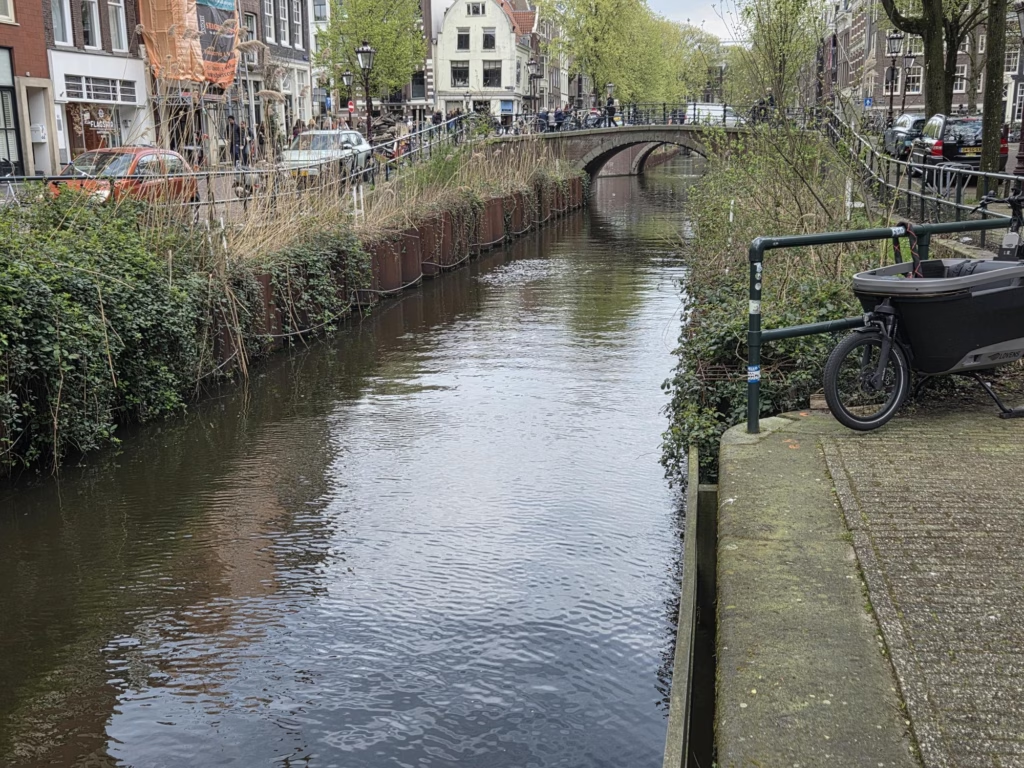
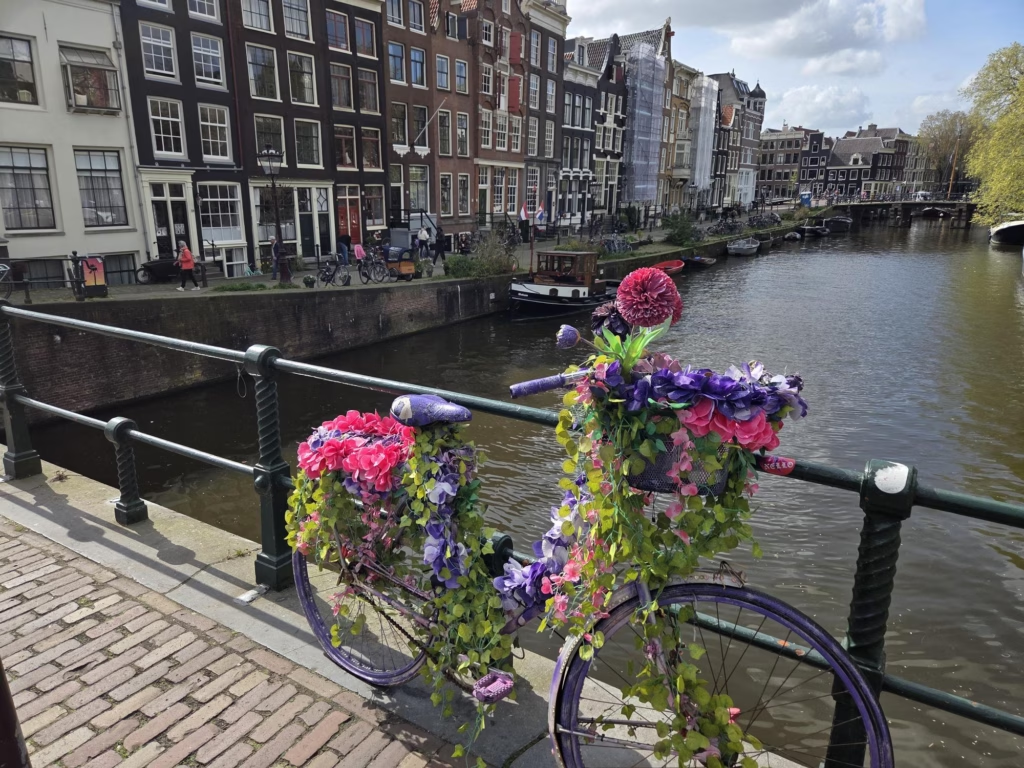
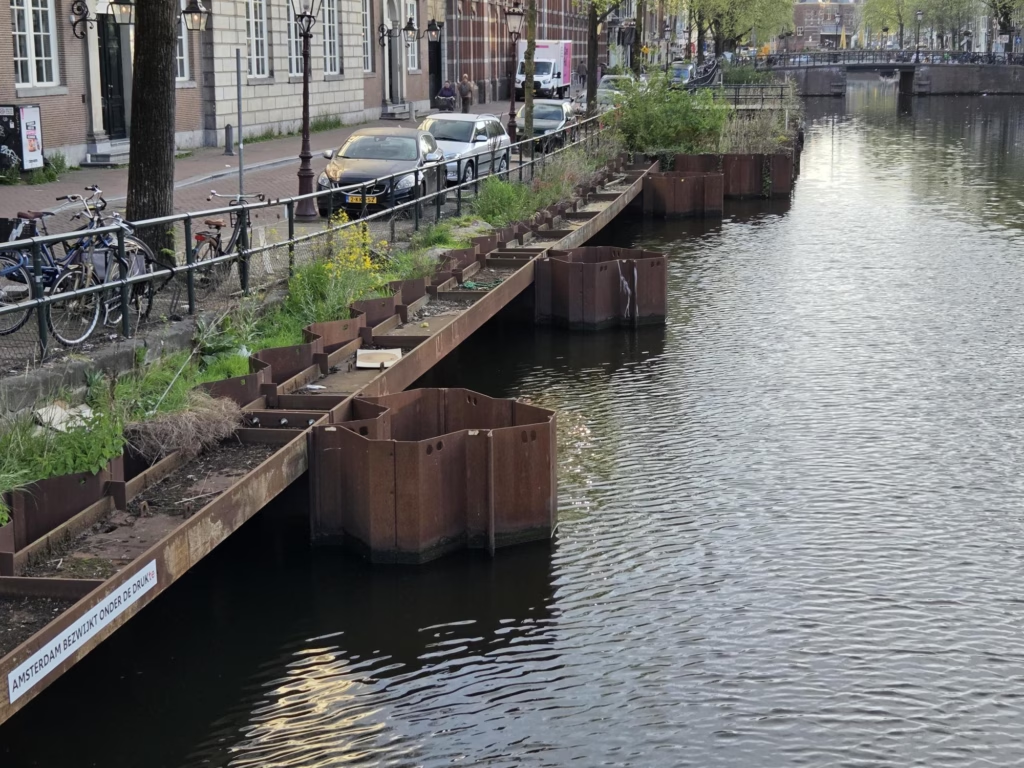
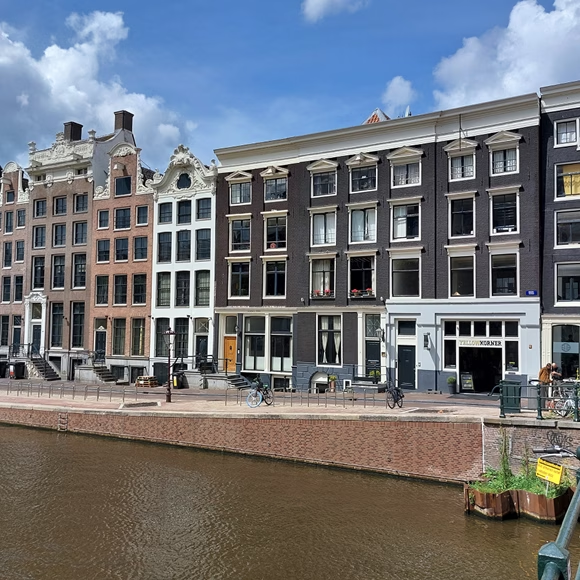
Check out our ongoing and completed projects, such as the Singel and Kloveniersburgwal.